
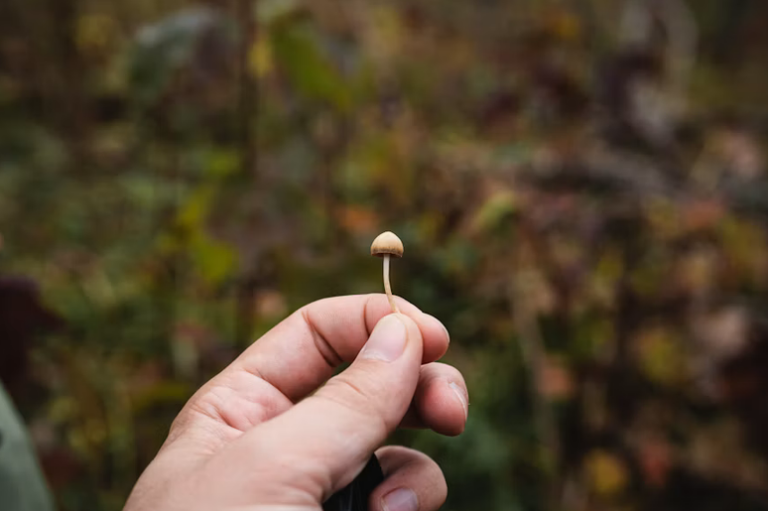
Psilocybin research has gained attention as scientists examine new approaches to mental health care. Psilocybin is a naturally occurring psychedelic compound found in certain mushrooms. Unlike established medications that are often taken regularly, psychedelic-assisted approaches are being studied in carefully controlled settings, usually alongside psychological support. Researchers are investigating whether psilocybin may help people with conditions such as depression, anxiety, and substance use disorders. The growing research has also changed public conversations about how mental health treatment can be studied and delivered. However, promising findings do not mean psilocybin is suitable for everyone. Clinical evidence, professional supervision, and careful screening remain important when discussing its potential role in healthcare.
Expanding Mental Health Research
Researchers have been exploring psilocybin because some early clinical studies have reported meaningful changes in symptoms for certain participants. Research has focused particularly on depression and anxiety, including symptoms associated with serious illness. Scientists are also examining its potential in other areas. These studies are important because mental health conditions can respond differently to existing treatments. Some people experience limited benefits, troublesome side effects, or recurring symptoms. New research may help clinicians understand whether different treatment models could offer additional options. The field is still developing. Larger studies, longer follow-up periods, and stronger comparisons with established treatments are needed before broad conclusions can be made.
Examining Brain Activity

One reason psilocybin has attracted scientific interest is its effect on brain activity. After ingestion, psilocybin is converted into psilocin, which interacts with serotonin receptors in the brain. Brain imaging studies have helped researchers observe changes in communication between brain regions. Some findings suggest that psilocybin can temporarily alter established patterns of brain activity and connectivity. Scientists are investigating how these changes may relate to shifts in mood, perception, and thinking. Understanding these mechanisms could help researchers develop clearer theories about why some participants report changes in emotional processing. It may also reveal important information about how flexible brain networks can be.
Investigating Therapeutic Sessions
Modern psilocybin studies generally do not treat the substance as a stand-alone solution. Participants are usually carefully screened and supported by trained professionals before, during, and after sessions. Preparation may involve discussing expectations, medical history, current medications, and emotional concerns. During a supervised session, trained staff monitor the participant and provide a controlled environment. Follow-up support can help participants reflect on their experiences and consider how those experiences relate to their lives. This structure distinguishes clinical research from unsupervised use. Researchers are studying a treatment model that combines a psychedelic experience with professional psychological support.
Challenging Mental Health Stigma
Psilocybin research is also influencing public discussions about mental health. Traditional conversations sometimes focus mainly on medication or symptoms. Psychedelic research has encouraged broader discussions about emotional experiences, therapeutic relationships, and how people understand difficult thoughts or feelings. At the same time, public interest can move faster than scientific evidence. Media reports may highlight positive findings without explaining study limitations. This can create unrealistic expectations. Responsible discussion requires separating clinical evidence from personal stories, marketing claims, and speculation. Research can be encouraging while still being incomplete.
Recognizing Safety Concerns

Psilocybin is not risk-free. Experiences can involve intense changes in perception, mood, and thinking. Some people may experience fear, confusion, or distress during a session. Researchers therefore use screening procedures to identify participants who may face greater risks. Potential interactions with health conditions or medications also require professional evaluation. The controlled conditions used in clinical studies cannot always be replicated outside research settings. These concerns do not eliminate scientific interest. Instead, they show why careful study and qualified supervision are central to responsible development.
Considering Future Research
The future of psilocybin research will depend on evidence gathered through well-designed clinical studies. Scientists need to determine which conditions may respond, which patients may benefit, how long improvements last, and what risks may emerge over time. Researchers must also examine practical questions. These include treatment costs, access, professional training, healthcare regulations, and the resources required to provide supervised sessions. Psilocybin research is changing conversations about mental health by encouraging scientists, clinicians, and the public to consider new questions about treatment, brain function, and psychological support. The growing evidence is important, but it should be viewed carefully. Psilocybin remains an area of active research rather than a universal answer to mental health challenges. This balanced approach can help separate genuine scientific progress from premature claims while giving patients, clinicians, and policymakers clearer information about possible benefits, limitations, and unanswered questions.
As studies continue, stronger evidence may clarify where psychedelic-assisted treatment fits within modern healthcare. For now, informed discussion should remain grounded in scientific findings, realistic expectations, safety considerations, and respect for individual differences.